You've got your form dialed in, but your arrows are still flying erratically? The problem might not be you—it might be your bow setup. A properly tuned bow can be the difference between frustrating flyers and consistent bullseyes.
In this beginner-friendly guide, we'll walk you through the essential bow tuning steps to get perfect arrow flight—those beautiful "bullet holes" that every archer dreams of.
What is Bow Tuning?
Bow tuning is the process of adjusting your bow and arrow setup so that arrows fly straight and true. When properly tuned, your arrows will leave the bow cleanly without fishtailing (horizontal wobble) or porpoising (vertical wobble).
🎯 Signs Your Bow Needs Tuning
- Arrows hitting sideways or at an angle
- Inconsistent groups despite good form
- Arrows "fishtailing" in flight
- Paper tears that aren't clean holes
- Different arrow brands/spines hitting differently
Step 1: Check Your Basic Setup
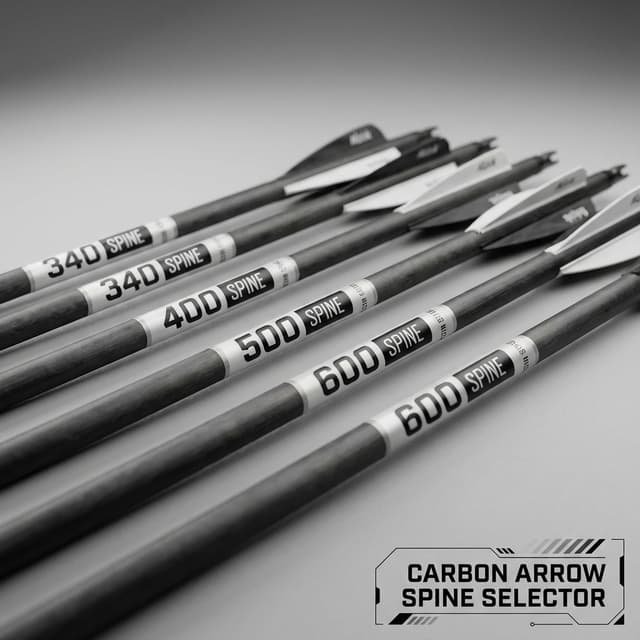
No amount of tuning will fix arrows that are too stiff or too weak for your bow. Arrow spine (stiffness) must match your draw weight, draw length, and point weight.
Before tuning, verify these basics:
- Arrow spine – Use a spine chart from your arrow manufacturer
- Arrow length – Arrows should extend 1-2" past the rest at full draw
- Nocking point – Start with nock set 1/8" to 1/4" above square
- Center shot – Arrow should be aligned with the string
If you're unsure about arrow spine, visit a pro shop. They can measure your setup and recommend the correct arrows. This single step saves countless hours of frustration.
Step 2: Paper Tuning
Paper tuning reveals arrow flight problems. Tears that show the arrow hitting at an angle indicate tuning issues—the nock end hitting before or after the point.
Setup:
- Stretch paper tightly in a frame (newspaper works fine)
- Stand 6-8 feet from the paper
- Use good form—any form errors will show in the tear
- Shoot through the paper into a target behind it
Reading the tears:
- Bullet hole = Perfect! Just a round hole with small vane marks
- Nock high (tail up) = Lower the nocking point or raise the rest
- Nock low (tail down) = Raise the nocking point or lower the rest
- Nock right = Move rest right (compound) or stiffer arrows needed
- Nock left = Move rest left (compound) or weaker arrows needed
Step 3: Walkback Tuning (Fine-Tuning)
Your bow might shoot great up close but groups drift left or right at longer distances. This is usually a center shot issue that paper tuning won't catch.
Setup:
- Put a vertical tape line on your target
- Sight in at 20 yards, aiming at the top of the tape
- WITHOUT adjusting sight, back up to 30, 40, 50 yards
- Always aim at the same spot (top of tape)
Reading the results:
- Arrows in a vertical line = Your center shot is perfect!
- Arrows drift right as distance increases = Move rest left
- Arrows drift left as distance increases = Move rest right
Make small adjustments! Move the rest only 1/32" at a time. It's easy to overshoot the correct setting and end up chasing your tail.
Step 4: Broadhead Tuning (For Hunters)
Fixed-blade broadheads are less forgiving than field points. Any small tuning issue gets magnified, causing broadheads to fly differently (usually erratically).
After paper and walkback tuning:
- Shoot a broadhead-tipped arrow and a field point arrow at 30 yards
- They should hit the same spot (or very close)
- If broadhead hits right → move rest right (follow the broadhead)
- If broadhead hits left → move rest left
- If broadhead hits high/low → adjust nocking point
- Make tiny adjustments and re-test
Many modern mechanical broadheads fly like field points and don't need special tuning. If you're struggling with fixed blades, try mechanicals as a starting point.
Step 5: Cam Timing (Compound Bows)
On dual-cam and hybrid-cam bows, if the cams don't roll over at exactly the same time (hit the wall together), you'll get inconsistent nock travel and poor arrow flight.
- Draw the bow and look at both cams at full draw
- Both cams should hit the stops at the same time
- Use cam timing marks if your bow has them
- If one cam hits first → adjust that cable yoke or cable length
- Consider having a pro shop check this if you're unsure
Tuning for Recurve & Traditional Bows
Recurve and traditional bows tune differently:
- Brace height – Affects forgiveness and speed. Start at manufacturer's recommendation
- Nocking point – Usually 1/8" to 3/8" above square
- Plunger button – Adjusts center shot and cushions the arrow
- Arrow rest position – Arrow should sit at center of shelf
- Tiller – Distance from limb to string. Usually set equal or slight positive (top limb further)
For barebow shooters, tuning is even more critical since you don't have a sight to compensate. The archer's paradox (arrow bending around the bow) must be perfectly matched.
Common Tuning Mistakes to Avoid
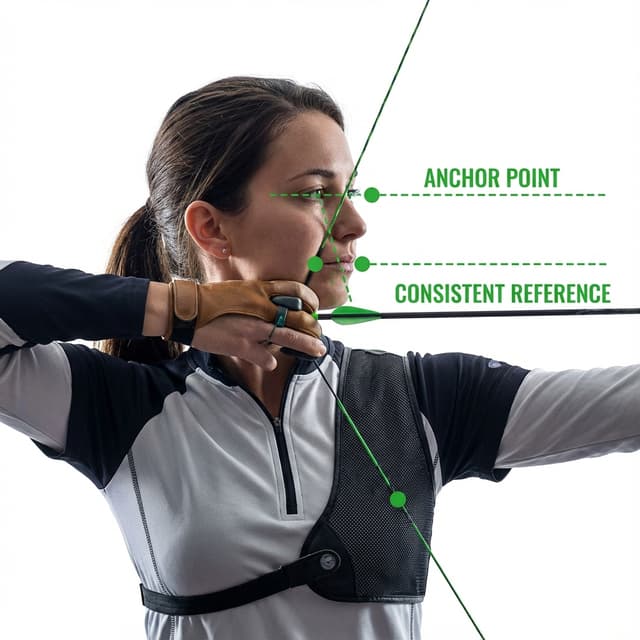
- ❌Tuning with bad form – Your bow can only be as consistent as you are. Get your form solid first!
- ❌Making big adjustments – Small changes have big effects. Move things 1/32" at a time.
- ❌Changing too many things at once – Adjust ONE thing, test, then adjust the next.
- ❌Ignoring arrow spine – No amount of rest adjustment fixes wrong spine.
- ❌Tuning only at one distance – Always verify at multiple distances.
📌 Bow Tuning Checklist
- Verify arrow spine matches your setup
- Set nocking point 1/8" to 1/4" above square
- Paper tune for a bullet hole at 6-8 feet
- Walkback tune to verify center shot
- Broadhead tune if you hunt with fixed blades
- Check cam timing on compound bows
- Make small adjustments and test between each change
- When in doubt, visit a pro shop!
A well-tuned bow is a joy to shoot. When everything is dialed in, your arrows will fly true, your groups will tighten, and you'll have the confidence that any miss is on you—not your equipment. Take the time to tune properly, and you'll be rewarded with better scores and happier shooting sessions!
Check Your Form While Tuning
Bad form can mask tuning issues (or create them!). Use ArcheryBuddy to verify your form is consistent before and during the tuning process.